


The Philosophy Behind
The Cyr Method is built on a simple belief. Every person carries an inherent dignity worth respecting, in a hard conversation, at the negotiating table, and in how change gets introduced to a team. That belief is not idealism. It is strategy. Leaders who operate from that foundation build more trust, keep the people who make their team good, and create results that last.
We help you make real changes to leadership, culture, or sales performance. Communication, negotiation, and leadership are the tools we use to get there, not the product itself. A change made without protecting the trust underneath it doesn't hold. The people carrying that trust matter more than any technique.
A team can learn every new process and still lose the people who made it work in the first place, if nobody protects what was already good. We measure success by what's still standing, and who's still on the team, three months later, not by how the room felt on the day.

The Cyr Method is built on a simple belief. Every person carries an inherent dignity worth respecting, in a hard conversation, at the negotiating table, and in how change gets introduced to a team. That belief is not idealism. It is strategy. Leaders who operate from that foundation build more trust, keep the people who make their team good, and create results that last.
We help you make real changes to leadership, culture, or sales performance. Communication, negotiation, and leadership are the tools we use to get there, not the product itself. A change made without protecting the trust underneath it doesn't hold. The people carrying that trust matter more than any technique.
A team can learn every new process and still lose the people who made it work in the first place, if nobody protects what was already good. We measure success by what's still standing, and who's still on the team, three months later, not by how the room felt on the day.

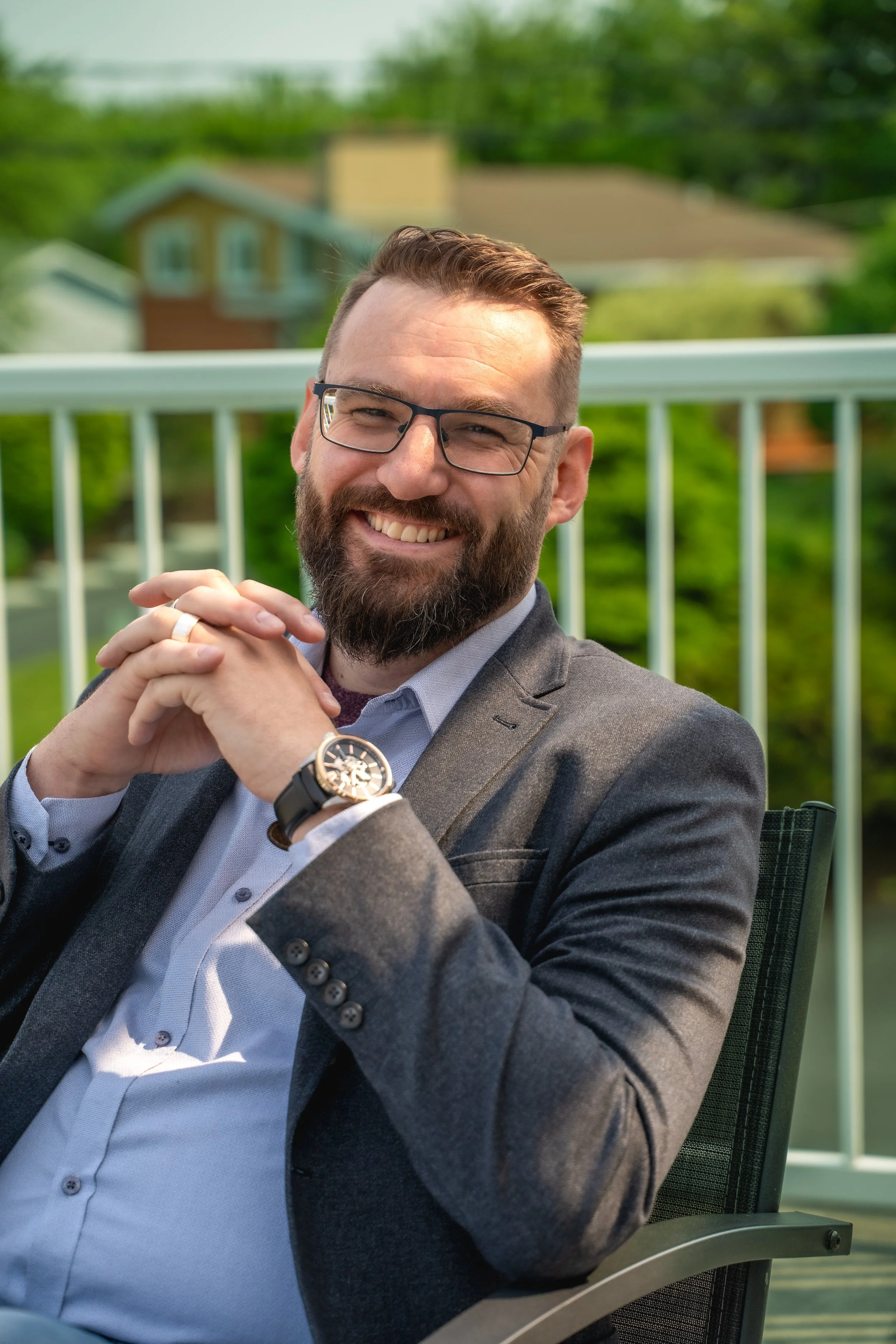
About Mishkin Cyr
I was homeless twice. Once at 22, living in a forest and taking forestry work to survive. Once at 32, after addiction took everything I had built. I made the decision to walk away from a six figure income to get help. My credit collapsed the moment I asked for it. The insurance that was supposed to support me didn't pay out for two years.
I tell you this because each chapter taught me the same thing in a different room. As a child I watched diplomats and military leaders like General Dallaire at my family's table. On the streets I learned to read people when the consequences were immediate. In boardrooms I closed multi-million dollar deals. The environments changed. The same instinct worked in every one of them.
When I came out of treatment I started over at minimum wage in a nonprofit. Technology wasn't my background, so I learned it. I invested thousands of my own money in coaching, leadership training, and technical knowledge because I wanted my teams to get the best version of me in the room.
By 2023 I had worked my way to executive level leadership in public safety technology. The turnaround came from installing a rhythm: small commitments, constant checks, fast corrections, sustained long after the initial crisis pressure eased. That discipline is what held.
Part of that turnaround meant changing the contract itself, moving away from a fixed-cost structure. Black & Veatch was skeptical at first. It took real proof, not persuasion, before they trusted the new approach. Once the first small commitment landed on time, they were sold, and everything after that moved faster.
Getting sober is a system, and systems decay the same way whether they run a company or a life. You slip back when the daily discipline stops, one skipped check-in at a time, one day you tell yourself the truth a little less than the day before. Nobody plans a relapse. It happens in the gap between installing a good habit and sustaining it.
That is the pattern I now see in teams. A leader pushes a real change, a new process, a harder sales target, a culture shift, with the same real hope I had walking into treatment. It works for a while, for the same reason early recovery works: everyone is paying close attention. Then attention drifts, and the push that was supposed to make things better starts costing the trust that made the team good in the first place. Nobody breaks a team on purpose. It happens the same way a person stops calling their sponsor, one skipped check-in at a time.
I learned how to protect what's good while still trying to make it better by watching my own discipline nearly disappear, more than once, and rebuilding it in a way that actually held. I founded The Cyr Method because I know exactly what it takes to push for real change without losing what was already working, in a person, or in a team. That is lived experience, not theory. It is the only thing I have ever actually had to get right.
From a forest at 22 to a boardroom at 40. The through line was learning, the hard way, that nothing stays fixed on its own.
ExitEngine.com